Our Products
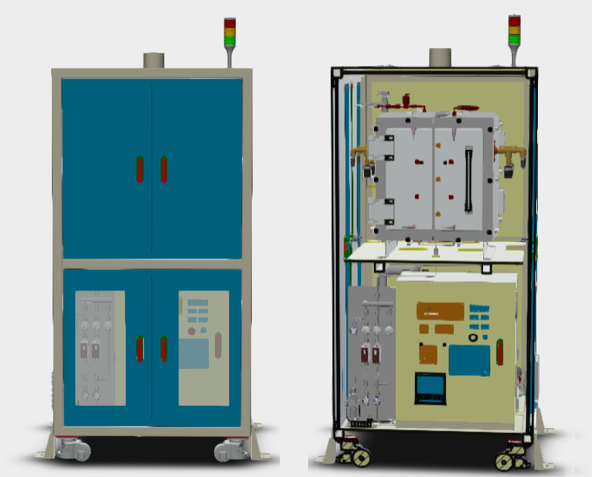
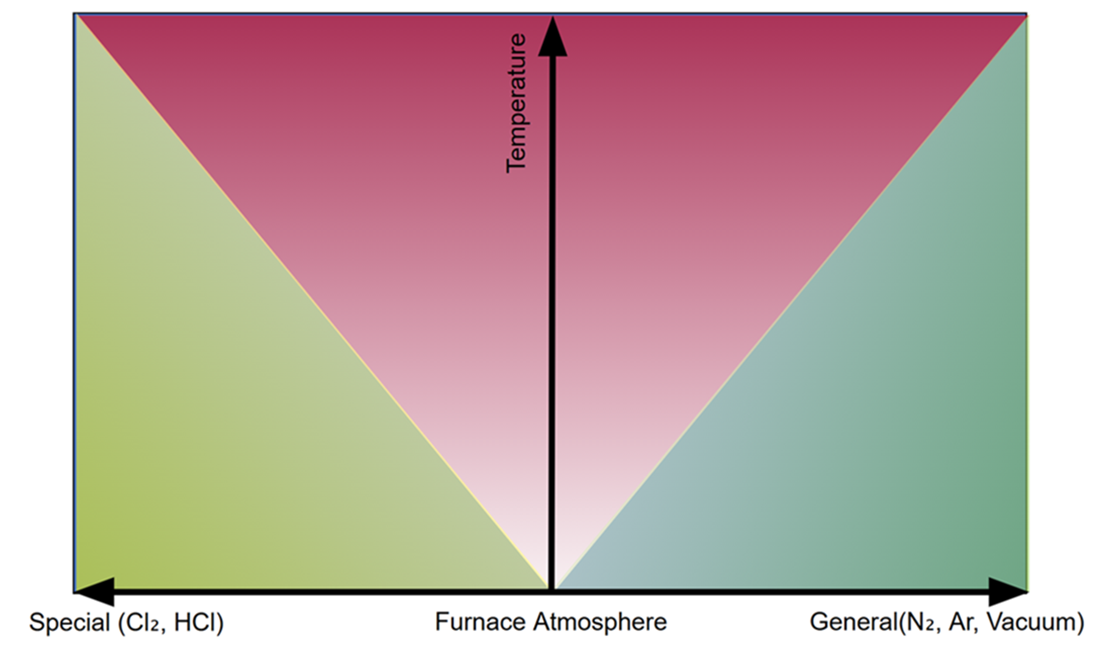
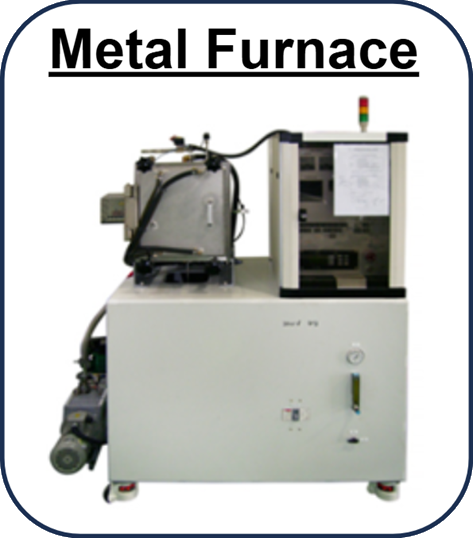
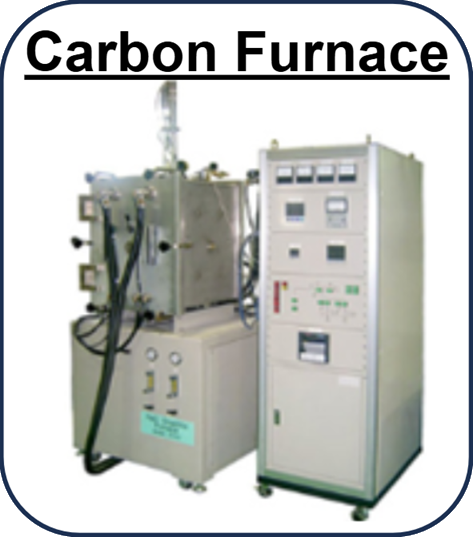
At Thermonik ENG, we specialize in compact electric furnaces based on our proprietary high-temperature furnace technology. Our product lineup includes carbon furnaces, multi-atmosphere furnaces, metal furnaces, and chlorination furnaces.
We also offer other types of heating furnaces in addition to the products listed on this page. For more information, please visit the website of Thermonik Inc. (Korea).

All‑Metal Furnace
What is a Metal Furnace?
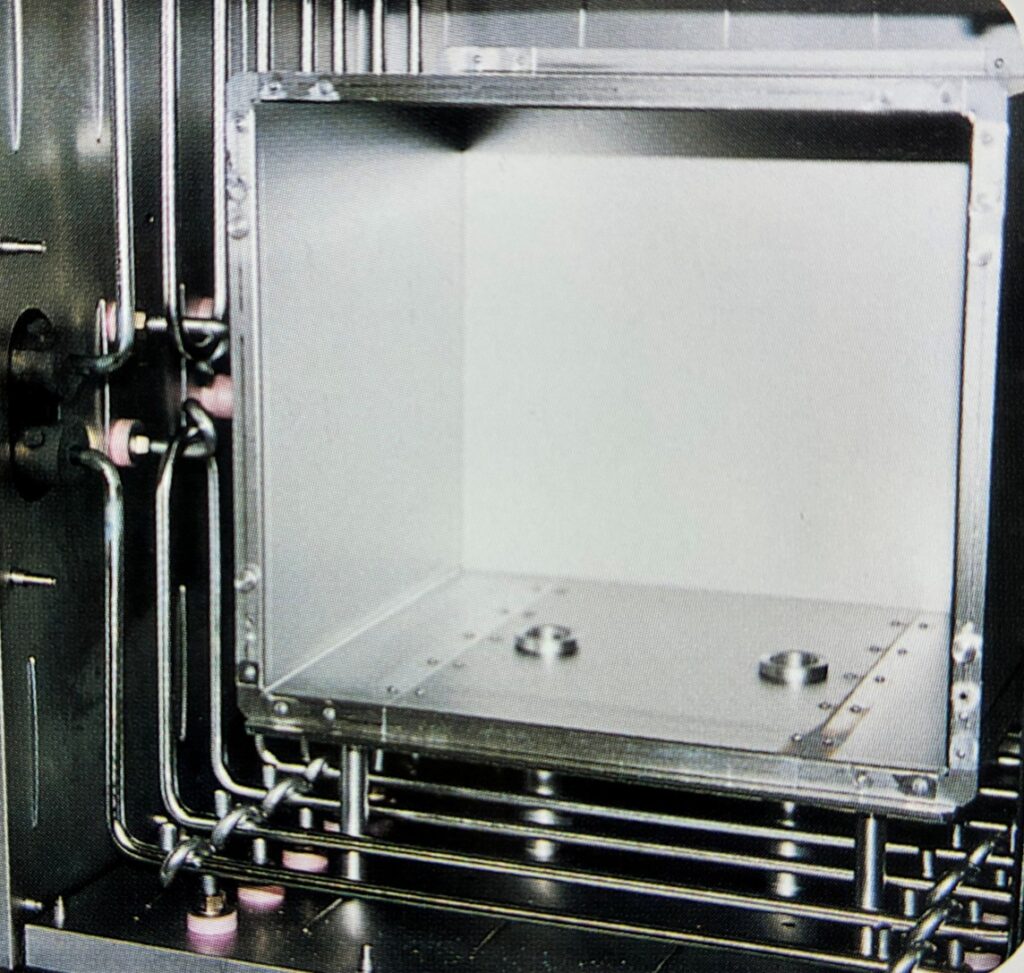
An all-metal furnace is designed with molybdenum and tungsten components to minimize contamination and provide heat treatment in a high-purity environment. It supports vacuum, inert-gas (N2), and reducing-gas (H2) atmospheres, while ensuring highly reproducible processing through excellent temperature uniformity.
How It Works
- Heating Method: Tungsten or molybdenum heaters generate heat, and the metals’ high thermal conductivity helps ensure uniform furnace temperatures.
- Atmosphere Control: To avoid oxidation of metal heaters, the furnace operates in vacuum or in an inert gas atmosphere (e.g., N₂, Ar).
- Clean Design: Because it uses no ceramic insulation and features an all-metal structure, the furnace minimizes dust generation and outgassing in vacuum environments.
Features (highlights)
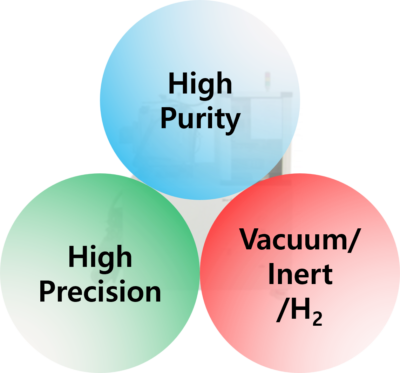
The all-metal chamber helps minimize contamination from conventional insulation materials. The furnace supports high-temperature processing up to 1800°C under high vacuum, inert-gas (N2), and reducing-gas (H2) atmospheres.
- High-Purity Environment
- An all-metal chamber made of molybdenum and tungsten minimizes contamination from graphite and alumina materials, helping maintain a high-purity environment.
- Precise Temperature Control
- High thermal conductivity and an optimized heater layout enable uniform temperature distribution, reducing warpage, stress, and material property variation.
- Vacuum / Inert / H₂ Atmosphere Support*
- The optimized vacuum and gas system enables operation under vacuum, inert, and reducing atmospheres, allowing controlled heat treatment while minimizing the risks of oxidation and nitridation.
Supported atmospheres and achievable vacuum levels may vary depending on the temperature range, vacuum system configuration, and safety requirements.
Application
◆ Key Concept
- An all-metal chamber (Mo/W) helps minimize contamination caused by particles and vapors originating from graphite or alumina materials.
- Under vacuum or inert-gas conditions, gases released from materials and fixtures are efficiently removed, helping maintain a cleaner processing environment.
At a vacuum pressure of P, the partial pressure of H₂O cannot exceed P; this corresponds to the atmospheric-equivalent moisture level shown below.
| Vacuum Pressure, P (Pa) | Upper Limit of Moisture (Atmospheric Equivalent, ppbv) |
|---|---|
| 10-4 | ≤ 1 ppbv |
| 10-5 | ≤ 0.10 ppbv |
| 10-6 | ≤ 0.010 ppbv |
◆ Applications Requiring High Cleanliness
- Processing of glass substrates, where surface and interface cleanliness is critical
- Pre-treatment and degassing for semiconductor packaging
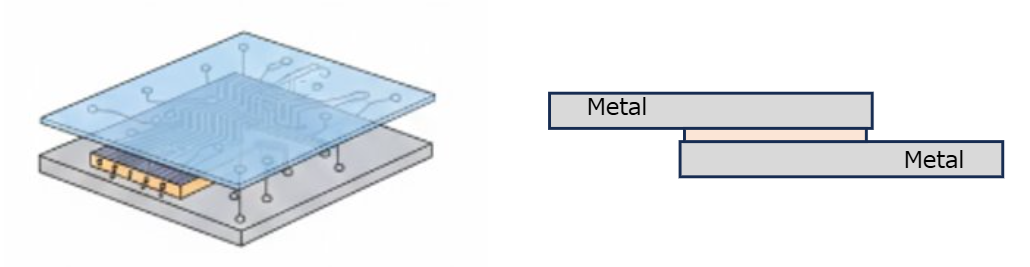
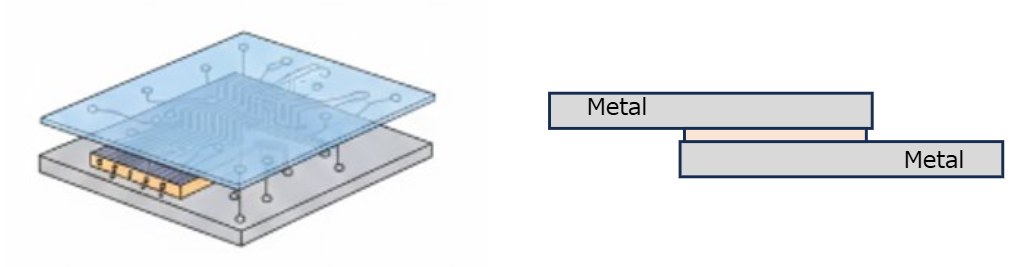
- Brazing and joining of metals, ceramics, and glass
- Firing and synthesis of high-purity materials (e.g., powders, oxides, and nitrides)
◆ Key Concept
- Oxidation and unwanted reactions depend on oxygen partial pressure (pO₂) and water vapor partial pressure (pH₂O).
- Under vacuum, these partial pressures decrease, suppressing oxidation and side reactions.
- An inert atmosphere suppresses oxidation and allows heat treatment while minimizing material alteration.
- A reducing atmosphere (H₂) enables firing and joining while minimizing oxidation-related effects.
Assuming the residual gas composition is similar to that of air (O₂ ≈ 21%), the oxygen partial pressure can be estimated as pO₂ ≈ 0.21 × P, where P is the total pressure.
| Vacuum Pressure, P (Pa) | Estimated oxygen partial pressure pO₂ (Pa) | Atmospheric equivalent pO₂ (atm) |
|---|---|---|
| 10-4 | 2.1×10⁻⁵ | 2.1×10⁻¹⁰ |
| 10-5 | 2.1×10⁻⁶ | 2.1×10⁻¹¹ |
| 10-6 | 2.1×10⁻⁷ | 2.1×10⁻¹² |
◆ Applications
This furnace is suitable for heat treatment processes requiring oxidation control, as well as for firing, brazing, joining in reducing atmospheres, and degassing or pre-treatment.
- Brazing of metals, ceramics, and glass
- Firing and synthesis of high-purity materials (e.g., powders, oxides, and nitrides)
- Pre-treatment for metallization or plating (degassing, drying, and surface stabilization)
◆ Design Principle
- The high thermal conductivity of metals, combined with an optimized heater layout and Mo/W shielding, helps achieve uniform temperature distribution.
- For large-area workpieces, not only the furnace itself but also fixtures and process conditions (heating, soaking, and cooling) are critical, so integrated optimization is essential.
◆ Temperature Uniformity: Design & Evaluation
- Design factors: heater geometry and layout, Mo/W shielding, fixture design, and workpiece support
- Process conditions: heating, soaking, and cooling conditions
- Evaluation: temperature uniformity is assessed using thermocouples and pyrometers, with optimization based on metrics such as in-plane ΔT, soak time, and cooling gradient
◆ Applications
- Processing of glass-based materials
- Brazing and joining of glass, ceramics, and metals
- High-precision material evaluation where reproducibility is critical
Sample Specifications
The all-metal design supports low-contamination processing under high-temperature, high-vacuum, inert-gas, and H2 conditions. It is ideal for process development from R&D through mass production.
H2-Compatible Safety Design
Proposal Scope
(Atmosphere, Temperature Distribution,
Measurement Requirements)
Custom Design
(Size / Temperature /
Atmosphere / Throughput)
| Heating Zone | 140mm×140mm×170mm(D)※ |
| Maximum Temperature | 1,800℃ |
| Vacuum Level | 10-6Pa |
| Atmosphere | Inert atmosphere (e.g., N₂, Ar) |
| Heater | Tungsten rod heater |
| Insulation | Tungsten + Molybdenum |
| Required Utilities | 25 kVA power, cooling water, process gas, air |
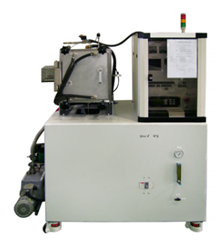
Our all-metal furnace features a compact hot zone and supports vacuum and ultra-high-temperature operation, making it particularly suitable for the following applications:
- Research and development applications, including rapid evaluation of small samples
- Test firing during materials development
- Pre-treatment of samples for analysis
- High-purity firing of expensive materials
Examples of Past Projects
Our all-metal furnaces are custom-designed to meet application requirements, including temperature range, atmosphere (vacuum, inert, or reducing), and chamber size. Below are examples of past projects. Specifications may vary depending on process conditions.
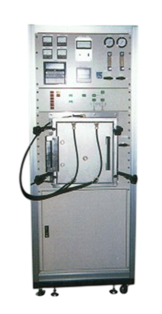
- Application: R&D
- Max. temperature: 2000℃
- Atmospheres: vacuum, N₂, Ar
- Ultimate vacuum: 10⁻⁴ Pa class
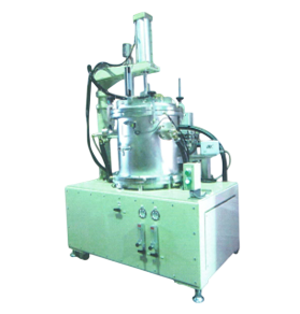
- Application: Ultra-high temperature metal furnace
- Max. temperature: 2600°C (Ar),
2400°C (N₂),
2000°C (vacuum) - Atmospheres: vacuum, N₂, Ar, H₂
- Chamber size: φ150 × 200H
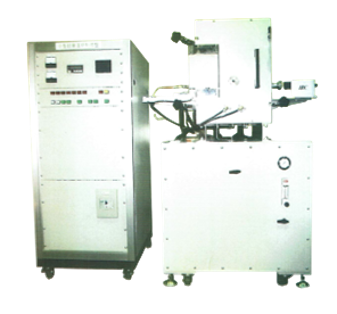
- Application: Research
- Max. temperature: 2400°C (Ar)
- Atmospheres: vacuum, N₂, Ar, H₂
- Chamber size:W60×D60×H75
Examples of Capabilities
- Temperature range: up to 2600°C class (proven)
- Atmospheres: vacuum / N₂ / Ar / H₂ (proven)
- Chamber size: custom design from small to large (proven)
Custom specifications (temperature, atmosphere, chamber size) are also available. Please contact us via the “Contact” section at the bottom of the page.
Keywords
Vacuum furnace, All-metal furnace, Metal furnace, Vacuum firing furnace, High-temperature vacuum furnace, Low outgassing, Low particle generation, Low contamination, High purity, Temperature uniformity, Temperature distribution, Reproducibility, Firing, Sintering, Debinding, Degassing, Brazing, Joining, Material evaluation, Research & Development (R&D), Ceramics, Oxides, Nitrides, Glass substrate materials, Semiconductor packages
Compact Carbon Furnace
What is a Carbon Furnace?
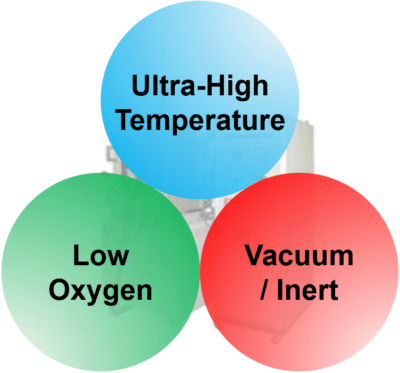
A carbon furnace is an ultra-high-temperature heating system in which all internal components—including the heaters, thermal shields, insulation, and chamber walls—are made of graphite.
It can reach temperatures of up to 3,000°C, exceeding the range of many conventional electric furnaces, while maintaining a very low oxygen concentration inside the chamber.
It is ideal for processes involving high-crystallinity carbon materials or the sintering of refractory metals, where both high temperatures and low oxygen levels are essential.
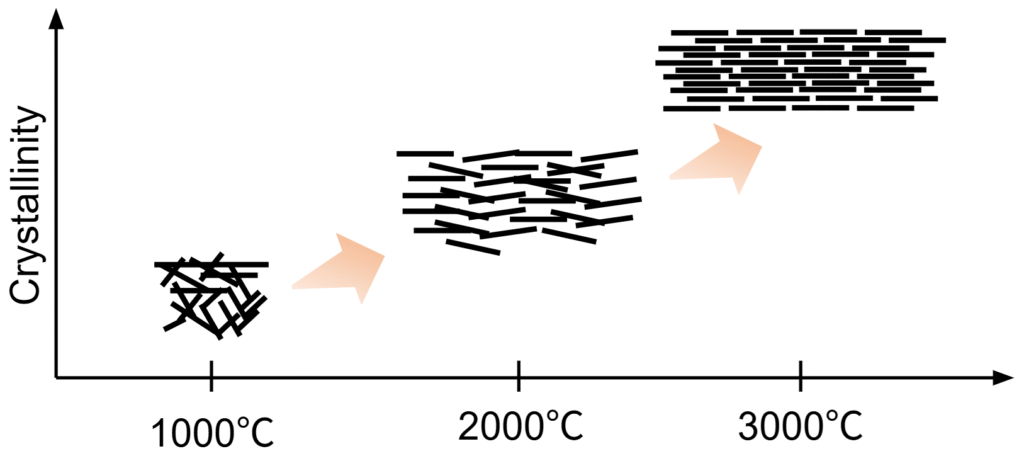
How It Works
- Heating Method: Electrically powered graphite heaters provide direct heating, raising the furnace temperature through radiation and conduction.
- Atmosphere Control: Because oxidation becomes more significant at high temperatures, the furnace operates in an inert-gas atmosphere (e.g., Ar or N₂) to minimize oxygen concentration.
- High-Temperature Design: All internal components are made of high-purity graphite, enabling stable operation at temperatures of up to 3,000°C.
Key Features
- Ultra-High-Temperature Capability
- Stable operation at up to 2,800°C in normal use and up to 3,000°C at maximum.
- Low-Oxygen Atmosphere
- The all-graphite furnace structure helps maintain a low oxygen concentration, reducing oxidation.
- Ideal for High-Crystallization Processing
- Suitable for improving the crystallinity of carbon materials, helping enhance performance and service life.
- Wide Material Compatibility
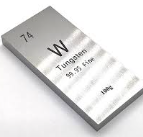
- Suitable for compositional testing of ceramics and for sintering refractory metals such as W, Ta, and Mo.
Application Examples
- High-crystallization processing of carbon materials (e.g., electrode materials and C/C composites)
- Firing of ceramics that undergo compositional changes at high temperatures (e.g., Si₃N₄ and B₄C)
- Sintering and melting of refractory metals (W, Ta, and Mo)
- High-temperature evaluation testing under an inert atmosphere for research purposes
- Performance evaluation of oxidation-resistant and heat-resistant materials
- Test firing during materials development
- Evaluation of refractory metals and heat-resistant ceramics
- High-crystallization processing and performance evaluation of expensive samples
- Efficient reproduction of conditions that would be impractical in large furnaces by using a compact system
Specifications (Example)
| Heating Zone | Ø200 mm × 130 mm (H) |
| Maximum Temperature | Normal use: 2,800°C / Maximum: 3,000°C |
| Atmosphere | Argon, Nitrogen (usable up to 2,400°C) |
| Heater | Cylindrical graphite heater |
| Insulation | Molded graphite insulation |
| Required Utilities | 66 kVA power, cooling water, process gas |
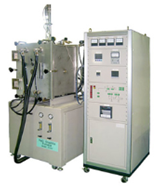
Our carbon furnace features a relatively compact heating zone, making it ideal for small-sample evaluations and research under ultra-high-temperature and inert atmosphere conditions. It is particularly recommended for customers with the following needs:
- Test firing during the materials development stage
- Evaluation of ultra-high-melting-point metals and heat-resistant ceramics
- High-crystallization and performance assessment of expensive samples
- Efficiently reproducing conditions that would be excessive in large furnaces using a compact system
Keywords
Ultra-high temperature (2,800–3,000°C), high crystallinity, graphite construction, low-oxygen atmosphere, inert-gas atmosphere (Ar, N₂), refractory metal sintering (W, Ta, Mo), ceramic firing (Si₃N₄, B₄C), oxidation-suppressing heating, research and development applications
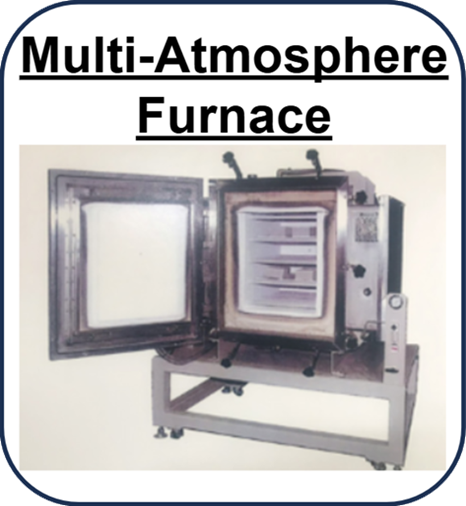
Multi-Atmosphere Furnace
What is a Multi-Atmosphere Furnace?
A multi-atmosphere furnace allows firing while switching between different atmospheres—such as vacuum, inert gas (N₂, Ar), and reducing gas (H₂)—using a highly sealed chamber and precise gas control.
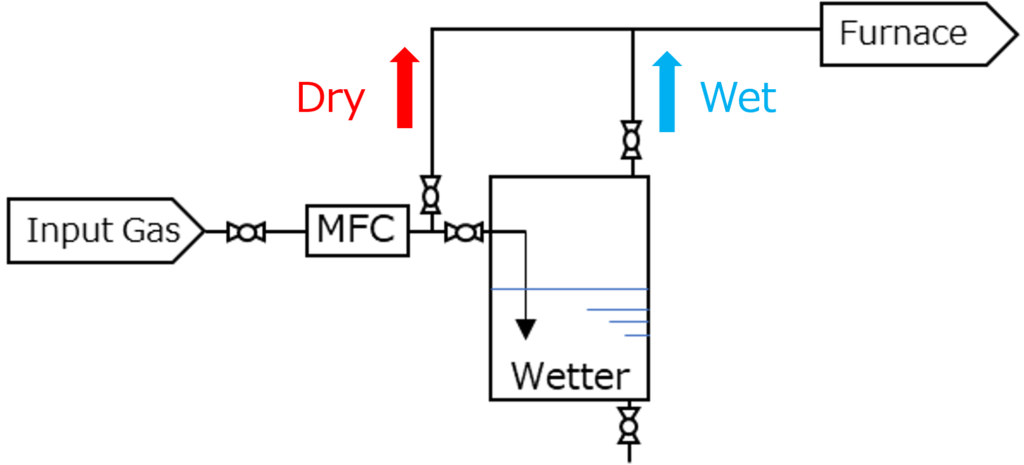
It also supports dew point control through a humidifier unit (“Wetter”), enabling reproducible dry/wet processing conditions.
Note: Availability of reactive gases (e.g., O₂ and NH₃) depends on application requirements and safety specifications.
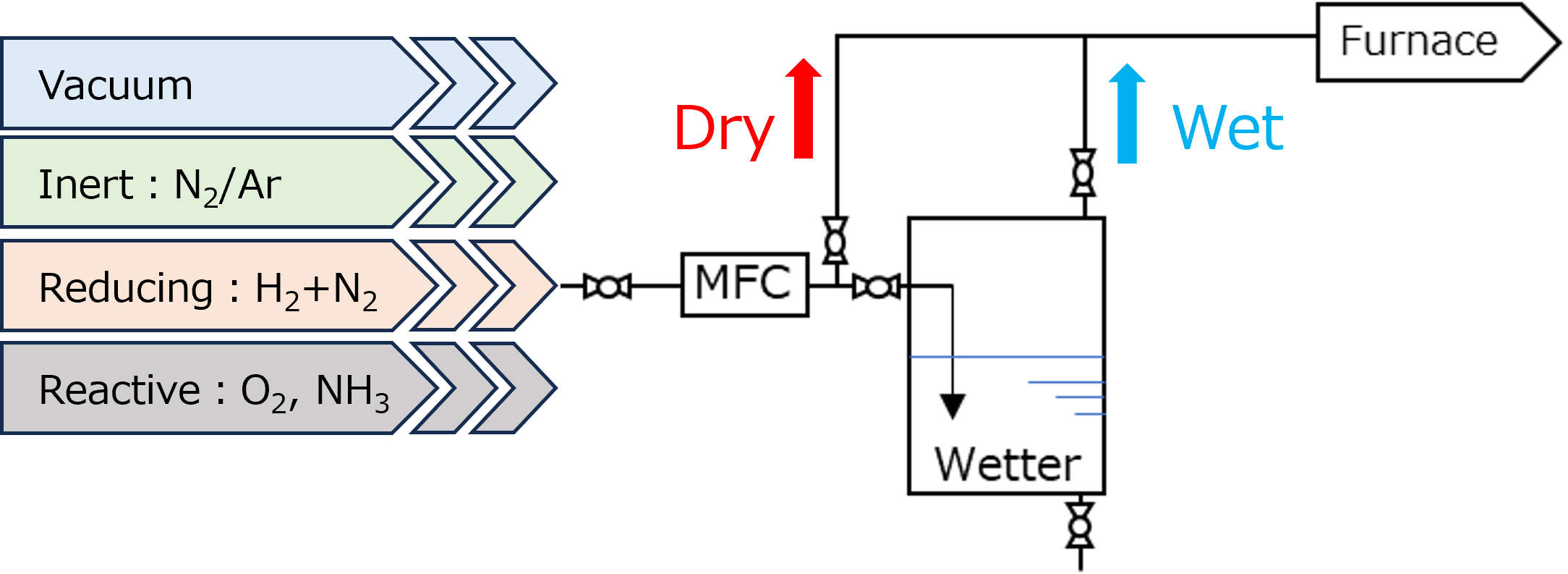
Key Principles
- Atmosphere Switching: A highly sealed structure and precise gas control enable atmosphere switching during processing.
- Dew Point Control: The process gas passes through a humidifier unit (“Wetter”) to create reproducible dry/wet conditions.
- Gas Safety Design: Flammable and reactive gases (e.g., H₂ and NH₃) are managed through exhaust treatment, monitoring, and interlock systems.
Key Features
- Broad Atmosphere Compatibility
- Supports vacuum, inert gas (N₂, Ar), reducing gas (H₂), and reactive gases (O₂, NH₃).
- Dry/Wet Atmosphere Control
- Dew point control using a humidifier unit (“Wetter”) enables reproducible dry/wet conditions.
- Safety Design for Flammable and Reactive Gases
- Includes exhaust treatment, monitoring, and interlock systems for safe operation with gases such as H₂ and NH₃.
- High-Temperature Capability
- Maximum operating temperature of approximately 1700°C, with a heating rate of up to 10°C/min.
- Excellent Corrosion Resistance
- Alumina-sheathed heaters and alumina insulation provide corrosion resistance and stable heating in reactive atmospheres.
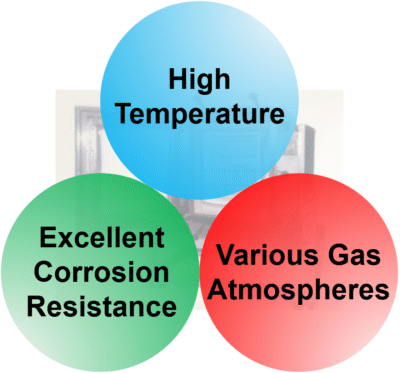
Applications
Ideal for process tuning and comparative evaluation under multiple atmospheres.
Typical applications include:
- Reduction firing with H₂ for oxide reduction and metal surface reduction
- Oxidation processes using O₂ for surface oxidation and pre-treatment
- Nitriding processes using NH₃
- Humid atmosphere processing for catalyst pre-treatment and steam reactions with dew point control
- Evaluation of gas-generating materials during firing, with appropriate exhaust and safety measures
- Multi-condition comparison for process development, including atmosphere sequence studies
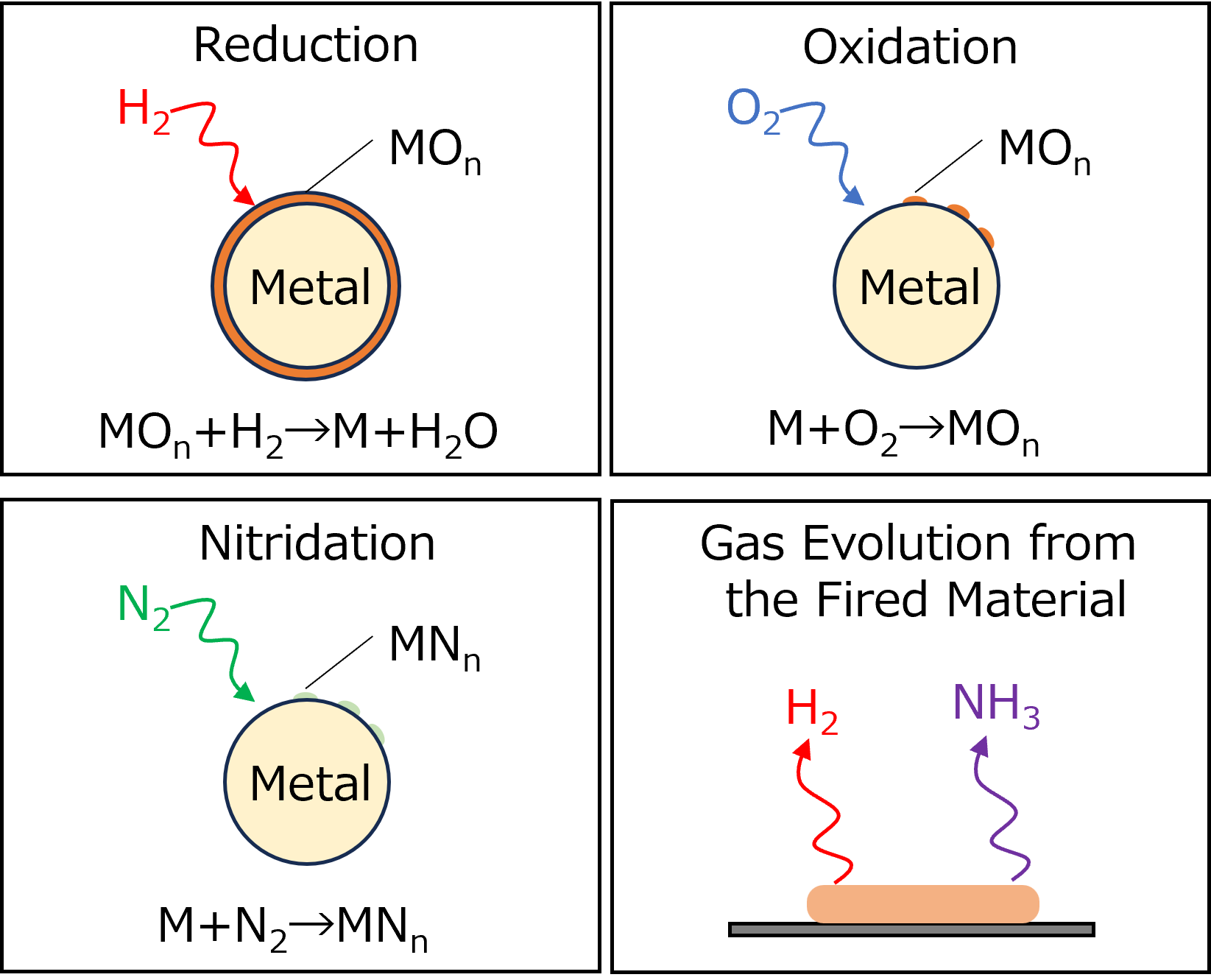
With its highly sealed design, the furnace can switch both atmosphere and dew point within a single system, making it suitable for material evaluation and process tuning. It is particularly effective for comparative testing and process optimization in universities, research institutes, and industrial R&D environments.
Specifications (Example)
| Chamber Size | W250mm×D350mm×H250mm |
| Operating Temperature | Approx. 1700°C |
| Atmosphere | Air, N₂, Ar, NH₃, O₂, with or without humidification |
| Heater | Alumina-sheathed heater |
| Insulation | Formed alumina insulation |
| Sample Stage | Alumina plate |
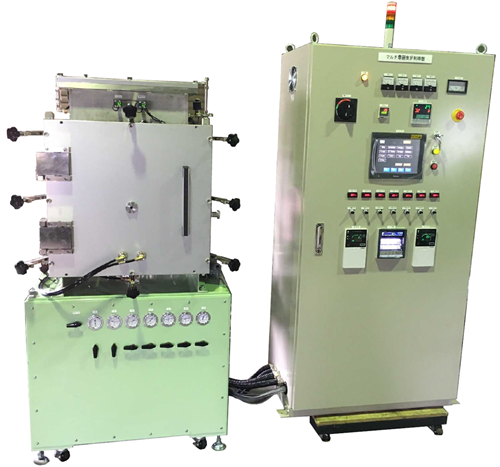
- Safety Design
- H₂ is treated using an afterburner and is safely exhausted.
- The system includes interlocks, overtemperature protection for both the furnace and humidifier unit, vacuum pump overload protection, and related safety controls.
- Proposal Scope
- Supports atmosphere switching among N₂, Ar, high vacuum, and H₂ with a low-outgassing design to preserve material properties.
- Can be optimized based on temperature distribution evaluation using thermocouples, pyrometers, and related methods.
- Custom Design
- Instrumentation such as dew point meters, oxygen analyzers, and hydrogen analyzers can be proposed according to customer requirements.
- Custom chamber sizes and operating temperatures are also available. Please contact us through the inquiry section at the bottom of the page.
Keywords
Multi-atmosphere furnace, atmosphere furnace, atmosphere sequence, atmosphere profile, inert atmosphere, reducing atmosphere, oxidizing atmosphere, nitriding atmosphere, mixed-gas atmosphere, humid atmosphere, steam, dew point control, dry/wet switching, firing, sintering, debinding, degassing, surface treatment, process tuning, comparative testing, material evaluation, research and development (R&D)
Electrostatic Chuck Atmosphere Furnace
What is a Electrostatic Chuck Atmosphere Furnace?
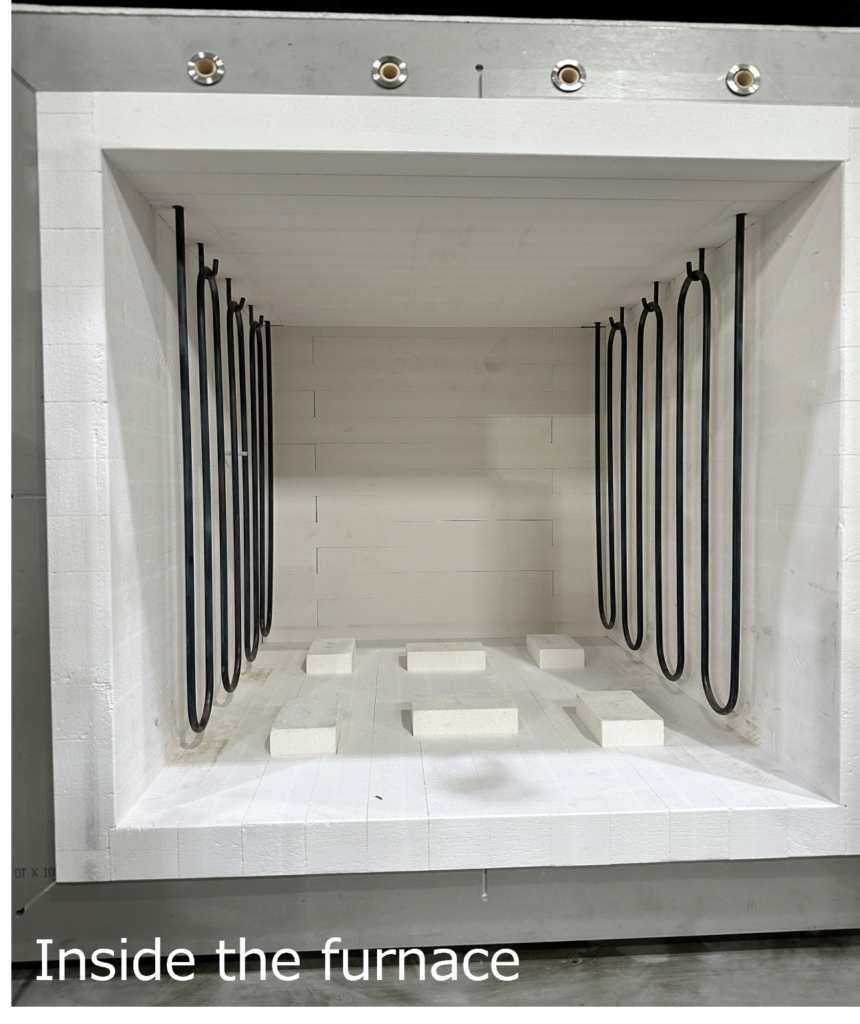
We have applied our multi-atmosphere furnace control technology to develop an electric furnace specifically designed for firing electrostatic chucks (ESCs).
The furnace operates at temperatures of up to 1600°C and supports a reducing atmosphere of N₂ + H₂.
A humidifier unit (“Wetter”) also enables gas humidification and dry/wet switching, helping improve reproducibility and process efficiency.
What is an Electrostatic Chuck (ESC)?
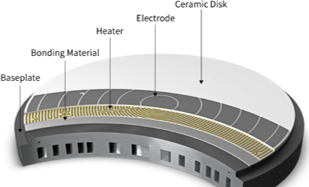
- An electrostatic chuck (ESC) holds wafers in place using electrostatic force, enabling stable fixation even in vacuum and plasma environments.
- Its performance is strongly influenced by material properties such as ceramic density, insulation characteristics, and the condition of the internal electrodes.
- Because surface condition and material properties directly affect performance, precise firing control is essential.
General Process Flow for ESC Firing
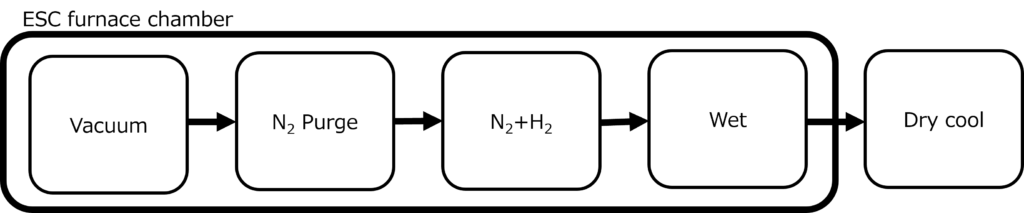
※Below is a typical example. Conditions for debinding, sintering, and finishing vary depending on materials and required properties.A typical ESC firing process may include the following steps:
(Air or Inert)
(N₂+H₂)
(N2)
In many conventional production flows, these processes are divided among separate tools depending on purpose.
① However, separating oxidation, reduction, dry, and wet processes across multiple tools makes queuing and transfer unavoidable.
→ Air exposure can lead to reattachment of particles, moisture, and solvents, resulting in variability and reduced reproducibility.

② In addition, using multiple tools for oxidation, reduction, dry, and wet processes makes process control more complex and reduces reproducibility.
→ Variations in wait time, dew point, and atmosphere switching can produce inconsistent results even when the same recipe is used.
③ When O₂ use is limited, controlling debinding and surface oxidation also becomes difficult.
→ This can lead to residues, contamination, electrode oxidation, and property variation.

Key Features of the Atmosphere Furnace for Electrostatic Chucks
Conventional processes are often split across multiple tools, leading to transfer steps, air exposure, and inter-tool variability.
We propose a furnace that enables atmosphere switching within a single chamber.
- Supports reduction and decarbonization (debinding) through H₂ mixing
- Enables multiple atmospheres in a single system
- Controls water vapor partial pressure (pH₂O) for stable and gentle surface tuning through dew point control (“Wetter”)
- Allows adjustment of the H₂ ratio to control thin-film resistance and contamination reduction
- Eliminates transfer between tools, thereby reducing air exposure and suppressing initial contamination
- Provides high durability through furnace materials selected for stable operation under multiple atmospheres, including H₂O and H₂

Specifications (Example)
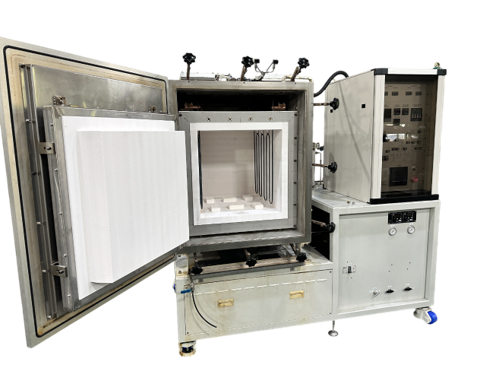
| Electrostatic Chuck Furnace | |
| Furnace Dimensions | W 550mm×D 550mm × H 600 mm |
| Maximum Temperature | Continuous 1600°C (maximum 1650°C) |
| Atmosphere | N₂, N₂ + H₂, with optional dry/wet switching |
| Furnace Interior Material | Ceramic insulation |
| Process type | Batch |
| Heater | Tungsten rod heater |
| Required Utilities | Power: AC 380 V, 3-phase, 60 Hz, 82 kVA Gas pressure: 0.3 MPa Cooling water: approx. 25°C, 0.2 MPa |
- H₂ is safely exhausted after combustion treatment using an afterburner.
- The system is equipped with interlocks, including overtemperature protection for both the furnace and the humidifier unit, exhaust overload protection, and pressure monitoring/shutdown functions.
For detailed specifications and applicability, please contact us through the “Contact” section at the bottom of the page.
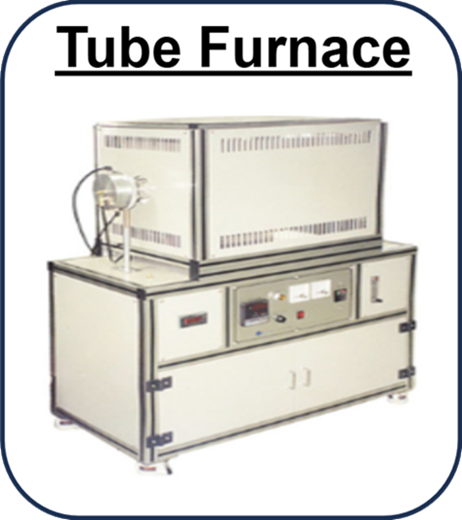
Compact Tube Furnace
What is a Tube Furnace?
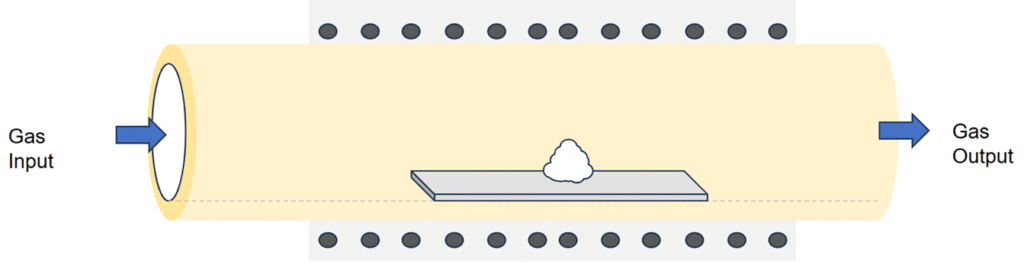
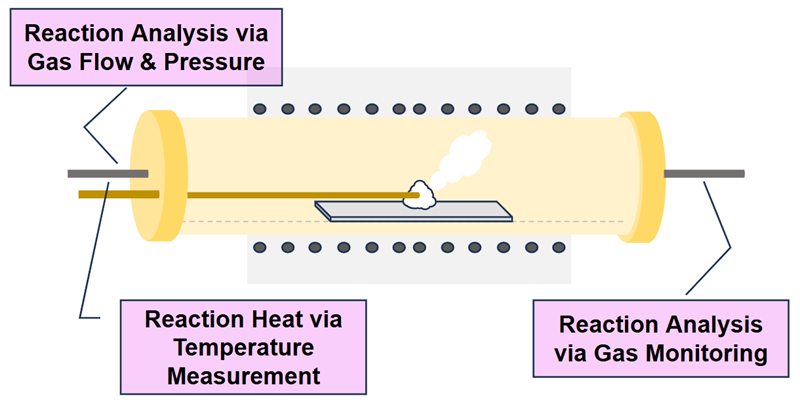
The tube furnace is a compact system in which samples are placed inside a cylindrical heating section (ceramic reaction tube) and heated while various process gases flow through the tube. Measurements of gas flow rate, pressure, and temperature are possible.
Principle (highlights)
- Cylindrical Heating Structure: Provides uniform heating of the entire reaction tube, ensuring stable temperature distribution under gas flow.
- Versatile Atmosphere Compatibility: Capable of supplying various gases, including inert gases, according to experimental conditions.
- Temperature Measurement Function: A thermocouple can be inserted from the inlet side to measure the actual sample temperature, suitable for exothermic reactions and temperature-sensitive processes.
Features (highlights)
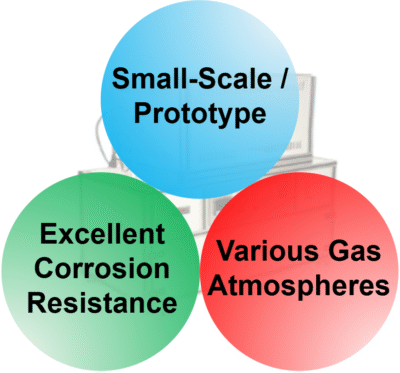
- Can heat samples while flowing various gases, offering high flexibility in atmosphere conditions; compact and low-cost, ideal for research and pilot-scale applications
- Allows direct measurement of actual sample temperature via inserted thermocouple
- Reaction tube made of alumina, providing excellent corrosion and heat resistance (rapid temperature changes are not recommended)
Applications (samples)
- Atmosphere testing of small samples (firing evaluation under gas flow)
- Evaluation of material reactivity (simultaneous measurement of flow rate, pressure, and temperature)
- Research on processes involving exothermic reactions or gas generation
- Comparative testing of firing behavior under different gas flow conditions
- Initial evaluation and basic research of new materials
Specifications (excerpt)
| Heating Zone | Ø120 mm × 500 mm L※ |
| Tube Size | Ø70 mm × 1,000 mm L※ |
| Operating Temperature | 1,200℃ |
| Atmosphere | Argon, Nitrogen |
| Heater | Kanthal A1 |
| Required Utilities | 12 kVA, 3‑phase 200 V |
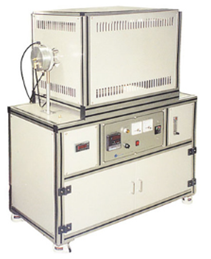
Our tube furnace is compact and equipped with advanced measurement capabilities, specializing in the evaluation of material reactions under gas flow. Optional features allow measurement of sample temperature, gas flow, and pressure, making it ideal for analyzing reaction mechanisms and optimizing test conditions for new materials.
Keywords
Tube furnace, atmosphere testing, compact heating furnace, flow measurement, pressure measurement, sample temperature measurement, inert gas, materials evaluation, reaction behavior analysis, research and development applications
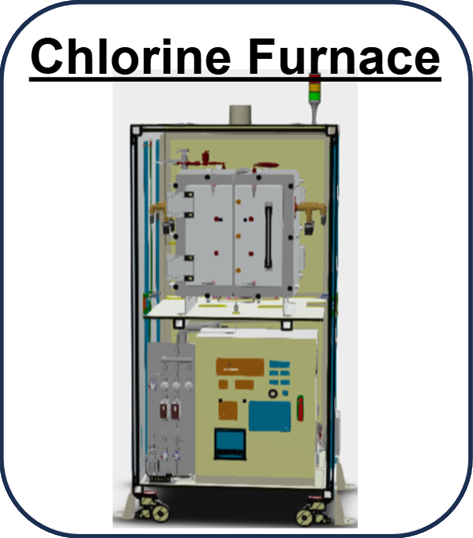
Compact Chlorine Furnace
Background (excerpt)
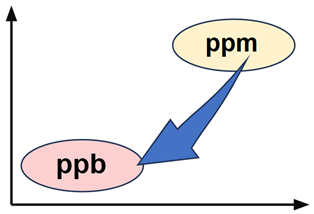
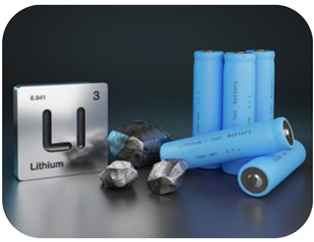
In recent years, as semiconductor devices become more miniaturized and batteries achieve higher performance, the quality requirements for the powder raw materials used have advanced rapidly. In particular, metal contamination (conductive foreign elements such as Fe, Cu, Ni) originating from raw materials or manufacturing processes can lead to serious defects, necessitating strict control at the ppm-ppb level.

Conventional Methods (excerpt)
- Acid dissolution (e.g., HCl, H₂SO₄)
- Can achieve uniform removal, but generates large amounts of wastewater; not suitable for water-sensitive products
- Removal using powerful electromagnetic separators
- Cannot capture very fine metals (below several tens of μm) or non‑magnetic metals
Principle (term normalization)
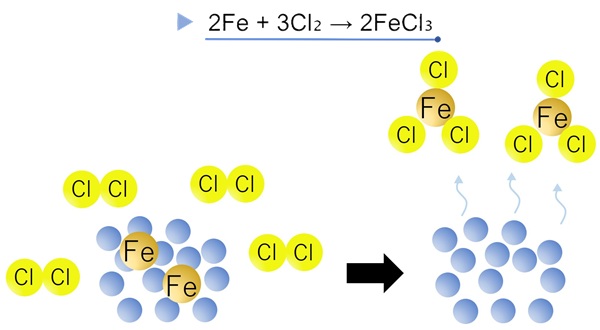
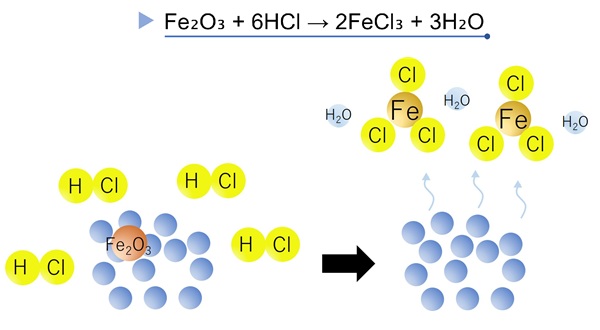
Chlorination–volatilization method
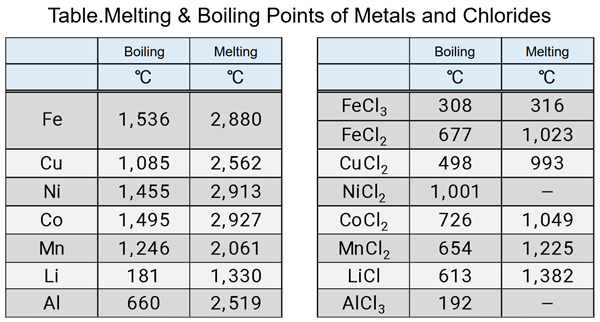
The chlorination volatilization method is a process in which inorganic materials, such as metal oxides or ores, react with chlorine gas (Cl₂) or hydrogen chloride (HCl) to convert them into volatile metal chlorides, which can then be separated and purified.
Features
- Enables selective metal separation by utilizing differences in volatility
- Dry process, generating less wastewater compared to wet methods
Reaction Concept
Current Status of Furnaces Compatible with Halogen Gas Atmospheres
- Introducing Cl₂ or HCl at high temperatures is challenging, as they can corrode the equipment
- Limited to evaluation using small electric furnaces with corrosion-resistant materials, such as alumina tube furnaces
- In tube furnaces, the slightly pressurized atmosphere poses a risk of serious accidents in case of leakage
Features (excerpt)
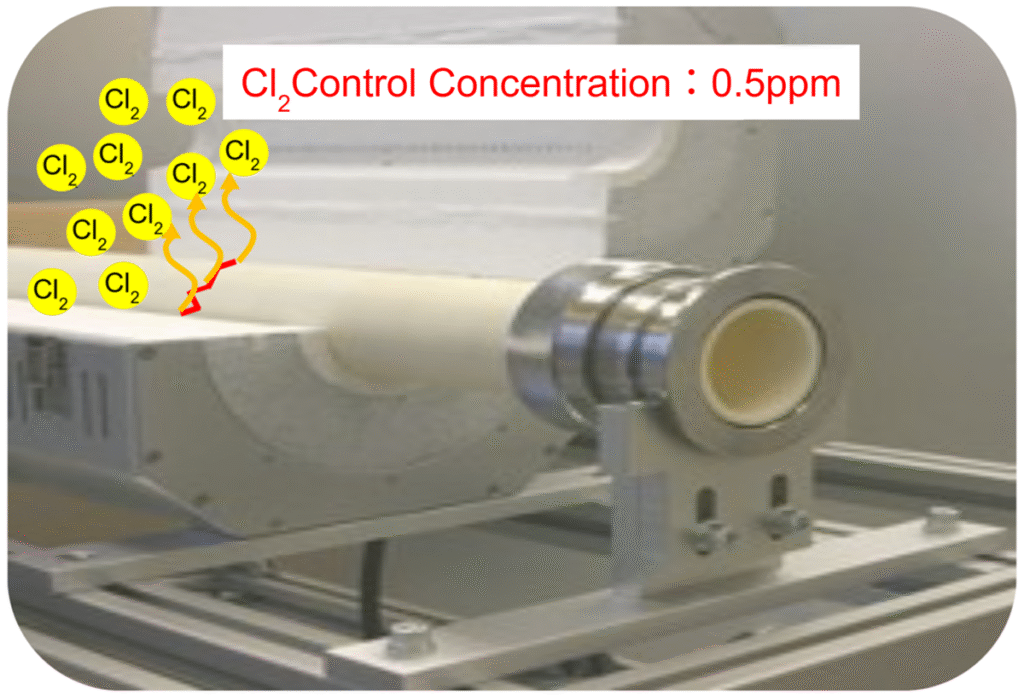
- Supports halogen gases such as Cl₂ and HCl using Thermonik’s proprietary technology (CE, SEMI, UL certified)
- Uniform heating enabled by the use of shelf-type heaters
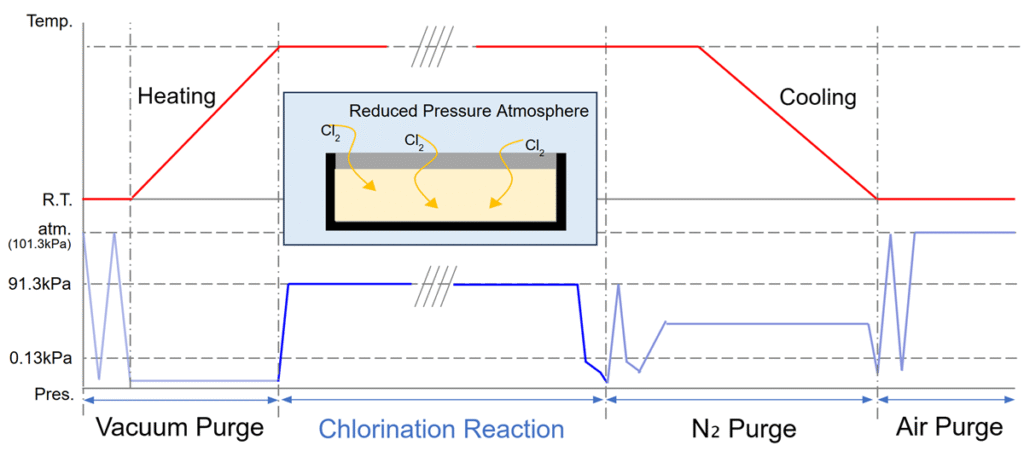
Since the reaction is always carried out under a reduced‑pressure atmosphere:
- Cl₂ gas diffuses throughout the sample, enabling highly efficient reactions
- The boiling points of generated chlorides are lowered, allowing processing at lower temperatures
- Reduces the risk of Cl₂ or HCl gas leakage
Example of Operation
Previous Applications
- Purification of carbon nanotubes (CNTs): Removal of metal catalysts (Fe, Co, Ni, etc.) used during CNT synthesis
- Cleaning of susceptor (GaN): Removal of GaN accumulated on susceptor fixtures
- Reduction of phase transition temperature: Control of crystal phase transitions in ceramics
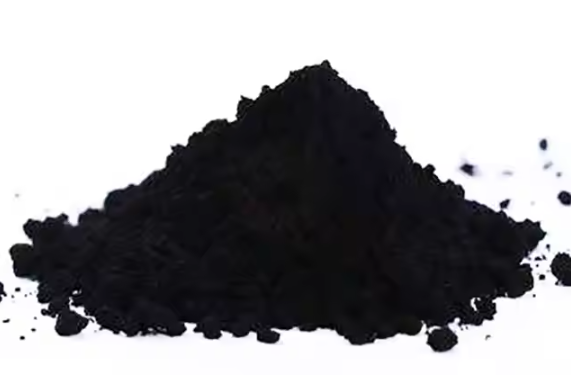


Suitable for metal removal processes or reaction-controlled furnaces where water-sensitive products or processes generating large amounts of wastewater must be avoided.
Further Applications
- Selective separation/recovery of rare metals
- Products requiring ultra-high purity
- Development of new materials
- Surface modification of materials (hydrophobic → hydrophilic)
- Corrosion evaluation of superalloys
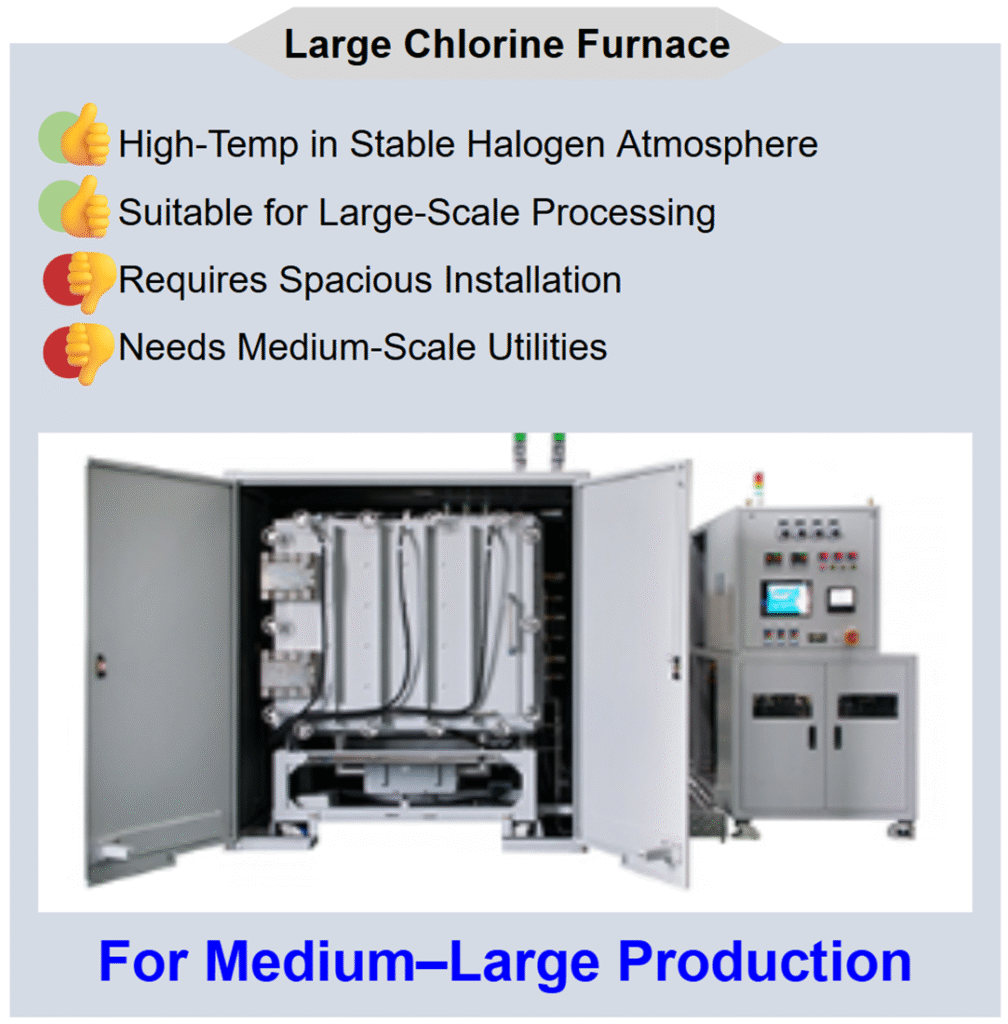
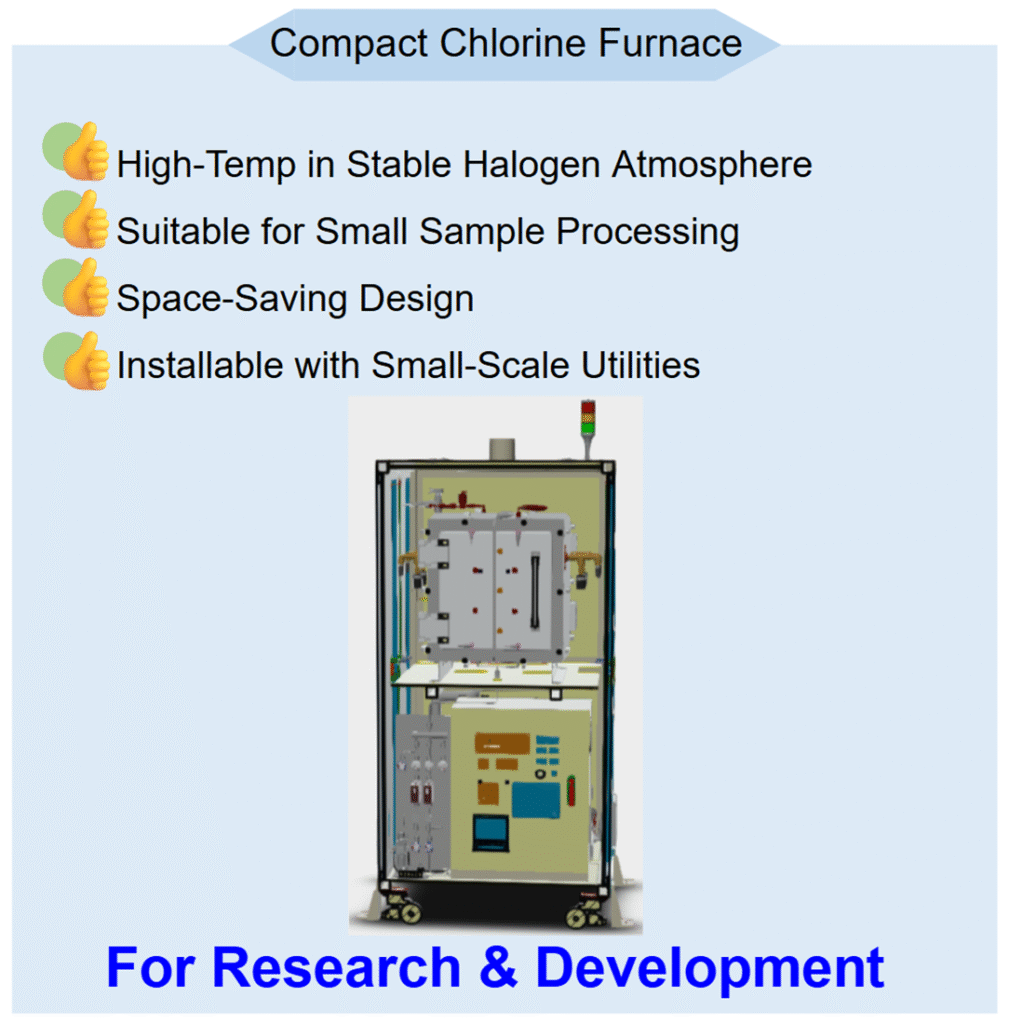
Specifications (key fields)
| Furnace Dimensions (W×D×H) | 200 mm × 200 mm × 200 mm |
| External Dimensions (W×D×H) | 1,000 mm × 1,000 mm × 2,100 mm |
| Gas Atmosphere | Cl₂, HCl, N₂, Ar, H₂ |
| Temperature | Up to 1,400℃ |
| Vacuum Level | Several Pa |
| Required Utilities | Cooling water, electricity, N₂ or Ar, process gas |
| Operation Mode | Batch |
※Specifications are for the current development model and are subject to change without notice.
No complicated preparation is required on the user side. With the utilities connected, it can be used immediately as an all-in-one design.